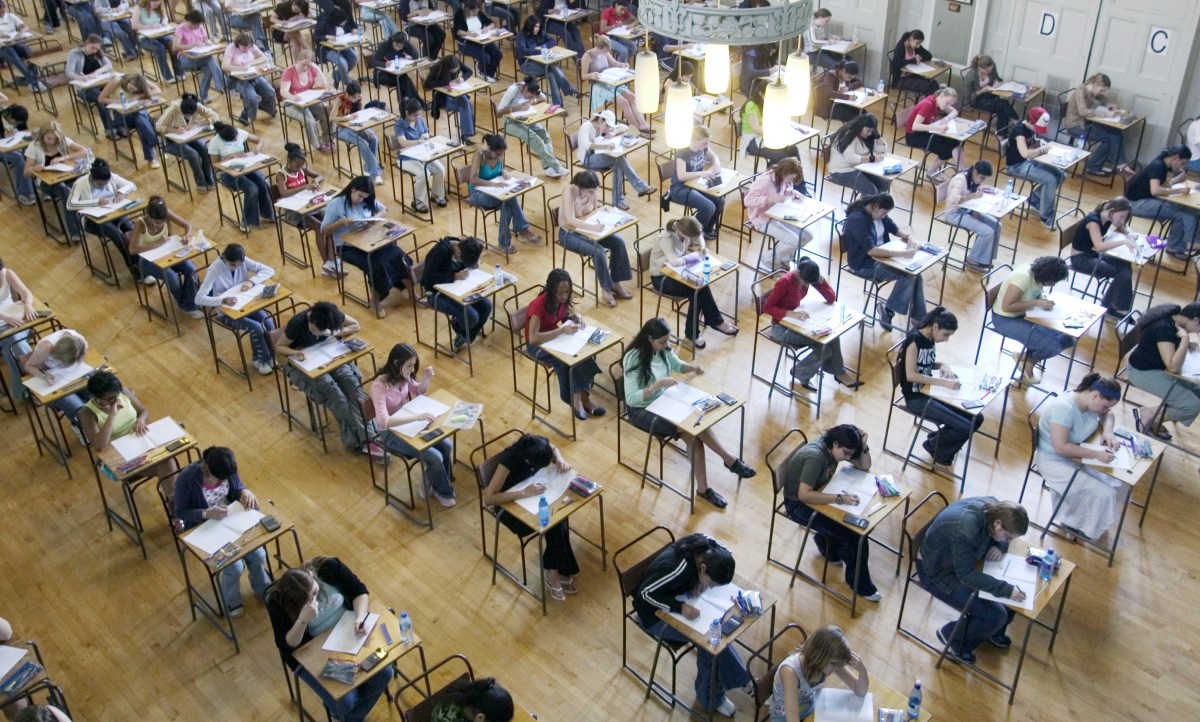
A growing debate questions whether traditional education systems are effectively fostering genuine learning or merely ensuring students progress through standardized milestones. Critics argue that rigid structures and high-stakes assessments may prioritize compliance over deep understanding, leaving students with surface-level knowledge rather than critical thinking skills. Concerns about engagement, retention, and the long-term value of degrees have sparked discussions on reforming how education measures success. The shift toward alternative teaching methods and outcomes-based evaluations reflects broader skepticism about whether current systems truly prepare learners for real-world challenges.
Are students truly learning, or are they simply moving through the system?